Timberland Men’s Brown Leather Ankle Boots: Fit & Style
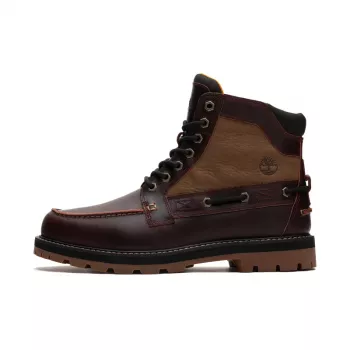
Timberland Men’s Brown Leather Ankle Boots: Rugged, Polished, and Easy to Wear
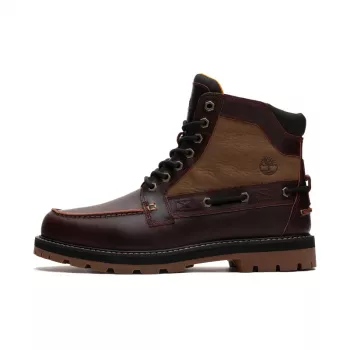
Built for everyday wear with a rugged, polished look, these brown leather ankle boots are a solid pick for commuting, casual weekends, and cooler-weather outfits. Expect a versatile silhouette that pairs easily with denim and chinos while delivering the durability Timberland is known for. If you want one boot that can handle the weekday grind and still look put-together for dinner plans, this is the lane these ankle boots live in. For more guidance, see Timberland 6 Inch Premium Mens Dark Brown Leather Work Boots ….
What Stands Out at a Glance
- Brown leather ankle-boot profile that works across casual and smart-casual outfits
- Leather upper look and feel suited for fall/winter rotation and year-round wear with proper care
- A sturdy, outdoors-inspired aesthetic that still looks clean in the city
- In-stock availability makes it easy to secure a pair in the right size without waiting
Quick Product Snapshot
Use the table below to confirm the essentials before choosing size and styling options.
| Item | Details |
|---|---|
| Product | Timberland Men’s Brown Leather Ankle Boots |
| Price | 139.51 USD |
| Availability | In stock |
| Color | Brown |
| Material | Leather |
| Style | Ankle boots |
| Product page | View full details |
Materials and Build Quality
Leather is one of the most rewarding boot materials because it improves with use when it’s treated well. Leather uppers typically break in over time, becoming more comfortable while maintaining structure. With brown leather in particular, the surface tends to age gracefully—minor scuffs and creases can add character instead of looking worn-out, especially when the boots are kept clean and conditioned.
For longer life, prioritize routine cleaning and conditioning to prevent drying and cracking. If you’re new to leather care, it helps to follow brand-specific guidance and keep it simple: remove dirt, dry naturally, condition occasionally, and store with support. Timberland maintains a dedicated footwear care resource that’s useful for basics and product-specific tips.
As with any ankle boot, overall comfort and stability come down to how well the boot supports the midfoot while still allowing natural toe movement. A supportive feel through the middle of the foot helps reduce fatigue on longer days, while adequate toe room keeps the boot comfortable during cold-weather sock swaps.
For general leather standards and responsible sourcing background, the Leather Working Group is a widely recognized industry organization with helpful context on leather supply chain practices.
Fit and Comfort Notes
Ankle boots should feel secure without feeling restrictive. Aim for a snug heel that reduces slipping as you walk, while avoiding pinching across the forefoot. A short break-in period is common with leather—initial stiffness is normal, but sharp pressure points or numbness are signs the size or shape isn’t right.
- Plan for thicker socks in colder months; that can change the best size choice
- Expect the upper to soften and mold to the foot with wear, improving comfort over time
- If between sizes, consider how the boot will be used most: everyday walking (comfort) vs. a closer, dressier fit
A practical check: lace them up, walk across the room, and pay attention to heel lift and toe clearance. Your toes should be able to wiggle, and your heel should feel held in place with minimal movement.
How to Wear Brown Leather Ankle Boots
Brown leather ankle boots earn their keep because they bridge the gap between casual and slightly elevated looks. The color reads warm and grounded, making it easy to pair with denim, earth tones, and textured layers.
- Casual: dark jeans + flannel or a hoodie for an easy, rugged look
- Smart-casual: chinos + a textured sweater or casual blazer; keep the leather clean and conditioned
- Cold-weather: thicker socks and layered outerwear; brown leather pairs especially well with olive, tan, and charcoal
- Pant break: for cleaner lines, choose a tapered pant leg that sits neatly over or just on top of the boot collar
If you like a sharper finish, match your belt tone close to the boot’s brown and keep the rest of the outfit neutral. If you prefer a more outdoorsy feel, lean into textured fabrics like corduroy, wool, and heavy denim.
Care Routine for Leather Boots
A consistent, low-effort routine keeps leather looking better for longer. Dirt left on the surface can grind into the leather over time, so a quick brush after wears makes a noticeable difference.
For deeper guidance straight from the brand, consult Timberland — Product Care (Footwear). For broader context on leather industry practices, the Leather Working Group is a useful reference point.
Outfit Add-Ons Worth Considering
- New Balance Men’s Black Hooded Blazer – Fall/Winter Zip Jacket for an easy, weather-ready layer that keeps the overall outfit streamlined
- Timberland Men’s Brown Leather Ankle Boots as the everyday foundation for denim, chinos, and layered looks
FAQ
Are leather ankle boots good for winter?
Yes—leather ankle boots can work well in winter with warm socks and consistent care. If they get wet, dry them slowly at room temperature, then condition the leather; for icy areas, prioritize outsoles with solid traction.
How should leather boots fit when new?
They should feel snug at the heel with comfortable room for your toes and no painful pressure points. Mild stiffness is normal, and the fit typically improves as the leather breaks in—especially when you account for the sock thickness you’ll wear most often.
How often should leather boots be conditioned?
A practical range is every 4–8 weeks for frequent wear, and less often for occasional use; dry or cold climates may require more frequent conditioning. Clean the boots first and avoid over-conditioning, which can leave leather feeling overly soft or greasy.






Leave a comment