Timberland Boots: Are They Real Leather or Synthetic?
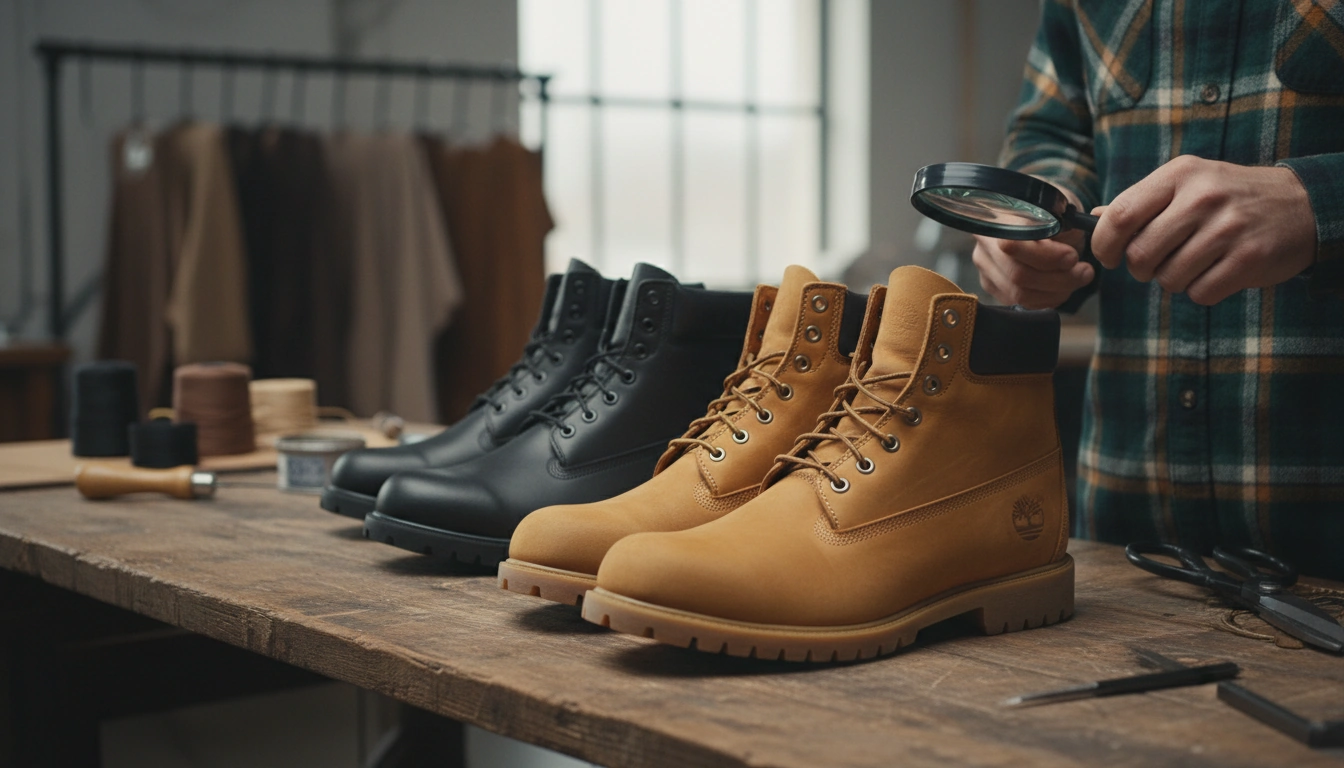
Are Timberland boots made of real leather?
Many Timberland boots are made with real leather, especially popular heritage styles like classic work and ankle boots. That said, the exact material depends on the specific model and colorway—some pairs use full-grain or nubuck leather, while others may include suede, synthetic panels, or non-leather uppers as part of a lightweight or budget-focused design.
How to tell if a specific pair uses real leather
The most reliable way is to check the product listing details or the label inside the boot for the upper material. Look for terms like “genuine leather,” “full-grain leather,” “nubuck leather,” or “premium leather.” If the description highlights “synthetic,” “textile,” or “vegan,” the upper likely isn’t leather (or may be a blend).
Why leather varies across Timberland styles
Timberland uses different materials to match different needs. Real leather uppers are common on rugged, outdoors-ready boots because leather molds to the foot over time and holds up well with proper care. Other styles may use synthetic components to reduce weight, improve breathability, or lower cost—without necessarily changing the overall Timberland look.
What “real leather” means for comfort and longevity
Leather boots typically soften and break in, creating a more personalized fit. They also tend to handle scuffs and wear better than many synthetics, as long as they’re cleaned and conditioned periodically. If water resistance matters, also check whether the boot is labeled waterproof; leather alone doesn’t guarantee waterproof performance.
For a closer look at how Timberland men’s brown leather ankle boots fit and style options to consider, visit this Timberland ankle boots guide.
For Timberland Boots: Are They Real Leather or Synthetic?, the best answer depends on fit, material, care instructions, and how the product will be used day to day.
FAQ
How do you care for leather Timberland boots?
Brush off dirt, wipe with a damp cloth, and let them air-dry away from heat. Use a leather conditioner occasionally, and apply a suitable protector if you want extra resistance to water and stains.







Leave a comment